
Submit Tool β†’ ⭐Write Review β†’
TECH TURF EDITORIAL & AI INSIGHTS

Asset Tracking Software & Management Articles & Guides

In-depth software benchmarks, AI workflow tutorials, enterprise asset tracking insights, and expert reviews curated by the Tech Turf research team.

LATEST PUBLICATIONS

Recent Articles & Deep Dives

Sponsored
Advertisement
Sponsored

Category: Asset Tracking Software & Management

  • School & Education Asset Tracking Software

    School & Education Asset Tracking Software

    School & Education Asset Tracking Software: School and education asset tracking refers to the process of monitoring and managing the physical assets and resources within educational institutions. It involves the use of technology, such as barcode labels, RFID (Radio Frequency Identification) tags, or asset tracking software, to track and record information about various items used in schools, colleges, universities, or other educational facilities.

    Assets in the education sector can include a wide range of items, such as computers, laptops, tablets, projectors, laboratory equipment, textbooks, furniture, sports equipment, and more. School and education asset tracking systems help administrators, teachers, and staff keep track of these assets, their location, condition, maintenance history, and usage.

    What is School & Education Asset Tracking Software?

    School and education asset tracking software is a specialized software solution designed to streamline and automate the tracking and management of assets in educational institutions. It provides a digital platform for administrators, teachers, and staff to efficiently monitor, locate, and maintain the various assets used within the school environment.

    School asset tracking software features are listed below.

    Asset Database

    A centralized database to store detailed information about each asset, including descriptions, serial numbers, purchase dates, warranty information, and any other relevant data.

    Asset Identification

    The software enables the assignment of unique identifiers, such as barcode labels or RFID tags, to assets for quick and accurate identification.

    Check-in/Check-out System

    The software facilitates the tracking of assets that are borrowed or loaned within the institution. It allows users to easily check items in and out, recording who has the asset and when it is due for return.

    Location Tracking

    The software uses various technologies, such as barcode scanning or RFID scanning, to track the current location of assets within the school premises. This helps locate assets quickly and reduces the time spent searching for them.

    Maintenance Scheduling

    Asset tracking software allows the scheduling and tracking of maintenance tasks for assets. It can generate reminders for routine maintenance, service checks, or repairs, ensuring assets are properly maintained and minimizing downtime.

    Reporting and Analytics

    The software provides reporting capabilities to generate insights and data on asset utilization, maintenance history, asset depreciation, and other key metrics. These reports help administrators make informed decisions regarding asset management and resource allocation.

    Mobile Accessibility

    Many asset tracking software solutions offer mobile apps or web-based interfaces, allowing users to access asset information, perform scans, and update data using smartphones or tablets.

    Integration and Scalability

    Asset tracking software can integrate with other systems, such as procurement systems or financial management software, to streamline workflows and ensure accurate asset records. It should also be scalable to accommodate the growing needs of educational institutions with expanding asset inventories.

    By utilizing asset tracking software for school and education , educational institutions can enhance efficiency, reduce asset loss, improve maintenance processes, optimize resource allocation, and gain valuable insights into asset management. It simplifies the overall tracking and management of assets, saving time and resources for school staff while providing a more organized and secure environment for students and faculty.

    What are the examples of assets to track in School & Education Tracking?

    In a school or educational institution, there are various types of assets that can be tracked using school and education asset tracking systems. Some common examples are listed below.

    Computers, Laptops, and Tablets – These are essential assets in educational environments used by students, teachers, and staff for various purposes, including research, learning software, and administrative tasks.

    Projectors and Audio-Visual Equipment – These assets are often used in classrooms, auditoriums, and other educational spaces for presentations, lectures, and multimedia learning.

    Laboratory Equipment – Science labs in schools and universities contain specialized equipment like microscopes, test tubes, balances, and other tools used for experiments and practical learning.

    Textbooks and Library Books – Tracking the circulation of textbooks and library books is important to ensure they are available to students, properly maintained, and returned on time.

    Sports Equipment – Educational institutions often have sports programs that require tracking assets such as balls, bats, racquets, goal posts, and other sports-related equipment.

    Furniture and Fixtures – Desks, chairs, tables, cabinets, and other furniture items used in classrooms, offices, and common areas can be tracked to manage inventory and ensure their proper maintenance.

    Musical Instruments – Schools with music programs may have instruments like pianos, guitars, drums, and brass or woodwind instruments that need to be tracked for maintenance and usage.

    Art Supplies – Art classrooms and studios may have assets like easels, paints, brushes, and other art supplies that can be tracked for inventory management and replacement.

    AV Systems and Sound Equipment – This includes audio systems, microphones, speakers, and other equipment used for school events, performances, or audio recording purposes.

    Safety and Security Equipment – Assets like fire extinguishers, first aid kits, CCTV cameras, and access control systems are essential for maintaining a safe and secure learning environment.

    It’s important to note that the specific assets to track may vary depending on the type of educational institution, its size, and the programs it offers. The asset tracking system can be customized to include other assets specific to the institution’s needs.

    Top School & Education Asset Tracking Software in 2026

    The list of Top School & Education Asset Tracking Software in 2026 is made by tech turf research team. we have made every effort to make it accurate but we do not claim it to be 100% accurate.

  • Chemical Inventory Tracking Software

    Chemical Inventory Tracking Software

    Chemical Inventory Tracking Software: Chemical inventory tracking is the process of managing and keeping a record of all chemicals present in a facility or laboratory. This includes identifying the chemicals, their quantities, locations, and associated hazards. It is essential to maintain a chemical inventory to ensure compliance with regulatory requirements and to promote the safe handling, storage, and disposal of hazardous chemicals.

    Chemical inventory tracking typically involves the use of software or other tools to create and maintain a centralized database of all chemicals on-site. The database can include information such as the chemical name, quantity, location, expiration date, and associated hazards. This information is used to monitor chemical usage, identify potential hazards, and manage inventory levels.

    Having an accurate and up-to-date chemical inventory can help reduce the risk of accidents, minimize waste, and streamline purchasing and disposal processes. It also helps in emergency situations, where responders need to know the types and quantities of hazardous chemicals present in a facility.

    What is chemical inventory tracking software?

    Chemical inventory tracking software is a computer program designed to help organizations manage and keep track of their chemical inventory. It is used to create and maintain a centralized database of all chemicals present in a facility or laboratory.

    The software typically includes features for identifying the chemicals, their quantities, locations, and associated hazards. It may also include features for tracking chemical usage, monitoring inventory levels, and managing chemical disposal.

    Chemical inventory tracking software can help organizations comply with regulatory requirements, such as the Occupational Safety and Health Administration (OSHA) Hazard Communication Standard, which mandates that employers maintain a list of all hazardous chemicals present in their workplaces.

    The software can also improve safety by identifying potential hazards associated with chemicals, such as flammability, toxicity, and reactivity, and by providing up-to-date safety data sheets (SDS) for each chemical.

    Overall, chemical inventory tracking software helps organizations better manage their chemical inventory, reduce the risk of accidents, and ensure compliance with regulatory requirements.

    What are the examples of chemical inventory to Track?

    Chemical inventory tracking typically involves keeping a record of all chemicals present in a facility or laboratory. Some examples of chemicals that may be tracked in a chemical inventory are mentioned below.

    Hazardous chemicals

    These are chemicals that have physical or health hazards, such as flammability, toxicity, or corrosivity. Examples include acids, bases, solvents, and reagents.

    Controlled substances

    These are chemicals that are regulated by law, such as drugs, narcotics, and precursors for illegal drugs. Examples include opioids, stimulants, and sedatives.

    Radioactive materials

    These are materials that emit ionizing radiation, such as isotopes used in research, medical imaging, or industrial processes.

    Biological agents

    These are microorganisms or toxins that can cause disease or harm to humans, animals, or plants. Examples include bacteria, viruses, and toxins produced by plants or animals.

    Nanomaterials

    These are materials with structures or properties at the nanoscale, typically less than 100 nanometers. Examples include nanoparticles, nanotubes, and nanowires.

    Compressed gases

    Compressed gases can be tracked using chemical inventory tracking software. these are gases that are stored under pressure, such as oxygen, nitrogen, and hydrogen.

    Chemical wastes

    chemical wastes can be tracked using chemical inventory tracking software. these are chemicals that are no longer needed or usable and require proper disposal.

    The types of chemicals tracked in a chemical inventory depend on the nature of the facility or laboratory and the regulatory requirements applicable to that facility.

    We hope that you have liked this post about chemical inventory tracking software and this information will help you in your work. This post research in done by tech turf research team, we have try to provide you authenticated information from our side but we do not claim it to be completely accurate.

    Please share this post on social media websites to your teammates and friends.

  • Top Artwork Tracking Software in 2026

    Top Artwork Tracking Software in 2026

    Top Artwork Tracking Software in 2026: Artwork tracking refers to the process of monitoring and keeping a record of artworks throughout their lifecycle. It involves the systematic tracking of various aspects related to artworks, such as their location, movement, condition, and ownership. Artwork tracking is particularly important in the art world, where valuable artworks are frequently transported, exhibited, bought, sold, and loaned to museums or galleries.

    The goal of artwork tracking is to ensure the proper management, security, and preservation of artworks. It involves using various techniques and technologies to establish a comprehensive and reliable system for tracking and documenting important information about each artwork.

    What is Artwork Tracking software?

    Artwork tracking software is a specialized tool or application designed to assist in the management, tracking, and documentation of artworks. It provides a digital solution to streamline and automate various aspects of artwork tracking, making it easier for art institutions, galleries, collectors, and artists to manage their collections.

    Artwork tracking software typically offers a range of features and functionalities tailored to the specific needs of the art industry. Some common features found in artwork tracking software are listed below.

    Database management

    The software provides a centralized database or inventory management system to store and organize information about artworks. It allows for easy searching, sorting, and filtering based on different criteria such as artist, medium, location, or ownership.

    Artwork profiling

    Each artwork can be profiled with detailed information, including artist details, title, medium, dimensions, provenance, condition reports, exhibition history, and any relevant documentation. This information is stored and linked to the artwork’s unique identifier.

    Location tracking

    Artwork tracking software often integrates with location tracking technologies such as GPS or RFID to monitor the movement and current location of artworks. This feature is particularly useful for artworks on loan, in transit, or exhibited in different venues.

    Barcoding and tagging

    The software supports the generation and printing of barcodes or RFID tags that can be attached to artworks. These tags contain unique identifiers that can be scanned and linked to the artwork’s information in the database.

    Condition monitoring

    The software enables the recording and tracking of artwork condition over time. It allows for the creation of condition reports, documenting any changes, damage, or restoration work undertaken.

    Loan and exhibition management

    Artwork tracking software often includes features to manage loan agreements, track exhibition history, and schedule transport or installation logistics for artworks.

    Image and document management

    The software may provide tools for capturing and storing high-resolution images of artworks. It allows for the attachment of additional documents, such as certificates of authenticity, conservation reports, or appraisal documents.

    Reporting and analytics

    Artwork tracking software can generate reports and analytics based on various criteria, providing insights into collection statistics, loan history, valuation, or conservation needs.

    The specific features and capabilities of artwork tracking software may vary depending on the provider and the needs of the user. Some software solutions are designed for large institutions and collections, while others cater to individual artists or smaller galleries. The software can be hosted locally or accessed through cloud-based platforms, offering flexibility in terms of accessibility and scalability.

    What are the examples of Artwork Assets to track?

    Artwork assets refer to the individual pieces of artwork that are tracked and managed using artwork tracking systems. These assets can vary in terms of their nature, size, value, and purpose. Here are some examples of artwork assets that are commonly tracked.

    Paintings – This includes various types of paintings, such as oil paintings, watercolors, acrylics, or mixed media artworks.

    Sculptures – Three-dimensional artworks created using materials like stone, metal, wood, clay, or glass.

    Drawings – Artworks created using pencils, charcoal, ink, pastels, or other drawing media.

    Prints – Limited edition prints, engravings, etchings, lithographs, screenprints, or digital prints.

    Photographs – Artistic photographs or photographic prints created by photographers or artists.

    Installations – Large-scale or site-specific artworks that are created for a particular space or environment.

    Textiles – Artworks created using fabrics, textiles, or fiber-based materials, including tapestries, quilts, or textile sculptures.

    Mixed media – Artworks that incorporate multiple materials, techniques, or media, such as collages, assemblages, or multimedia installations.

    Digital art – Artworks created using digital technologies, including digital paintings, digital prints, computer-generated art, or interactive installations.

    Ceramics and pottery – Artistic creations made from clay or other ceramic materials, including vases, bowls, figurines, or decorative objects.

    Glass art – Artworks created using glassblowing, stained glass, fused glass, or other glass-working techniques.

    Performance art – Live performances or ephemeral artworks that involve actions, gestures, or interactions with the audience.

    Jewelry – Artistic and sculptural jewelry pieces created using precious metals, gemstones, or alternative materials.

    Indigenous or cultural artifacts – Artworks created by indigenous communities or representing cultural heritage, including masks, carvings, or traditional crafts.

    Antiquities – Ancient artworks, artifacts, or archaeological objects of historical or cultural significance.

    These are just a few examples, and the range of artwork assets that can be tracked is vast and diverse. Artwork tracking systems aim to capture and manage information about each individual asset to ensure their proper documentation, conservation, security, and movement throughout their lifecycle.

    Top Artwork Tracking Software in 2026

    The list below of top artwork tracking software in 2026 is created by our tech turf research team. We have made every effort to make it accurate but we do not claim it to be 100% accurate.
  • Healthcare and Medical Equipment Tracking Software (2026 Update)

    Healthcare and Medical Equipment Tracking Software (2026 Update)

    Healthcare and Medical Equipment Tracking Software: Healthcare and medical equipment tracking refers to the process of monitoring and managing the location, status, and maintenance of medical equipment and devices used within healthcare facilities. This includes everything from hospital beds and surgical instruments to imaging equipment and life support machines.

    The primary goal of healthcare and medical equipment tracking is to ensure that healthcare facilities have the necessary equipment and devices to provide quality care to patients when they need it. This involves tracking the location of each piece of equipment, monitoring its usage and maintenance schedule, and ensuring that it is in good working order when it is needed.

    Source: https://spaces.cisco.com/medical-tracking-solutions-a-boon-in-healthcare

    What is Healthcare & Medical equipment tracking software?

    Healthcare and medical equipment tracking software is a specialized software designed to track and manage medical equipment and devices used within healthcare facilities. The software allows healthcare facilities to monitor the location, status, and maintenance of their medical equipment, ensuring that they have the necessary equipment to provide quality care to patients.

    Healthcare and medical equipment tracking software typically provides a centralized database of equipment information, including equipment location, maintenance schedules, usage history, and more. This information can be accessed by authorized personnel through a user-friendly interface, allowing them to quickly locate equipment and ensure that it is available when it is needed.

    Some healthcare and medical equipment tracking software also includes features such as automated maintenance scheduling, inventory management, and real-time alerts for equipment malfunctions or failures. This allows healthcare facilities to proactively manage their equipment, reducing downtime and increasing efficiency.

    There are various technologies used for healthcare and medical equipment tracking, including barcode scanners, RFID tags, and GPS systems. These technologies allow healthcare facilities to easily locate and track equipment, monitor usage patterns, and schedule preventative maintenance to ensure that the equipment remains in optimal condition. By effectively tracking and managing medical equipment, healthcare facilities can improve patient outcomes, reduce costs, and increase efficiency.

    Source: https://www.fda.gov/medical-devices/postmarket-requirements-devices/medical-device-tracking

    What are the Examples of Assets in Healthcare & Medical for Tracking?

    There are several types of assets in healthcare and medical equipment that can be tracked using asset tracking software. Following are some examples.

    Medical Equipment

    Medical equipment is essential for the effective functioning of a healthcare system. It encompasses a wide range of products, from basic hospital beds to sophisticated imaging systems. Examples include infusion pumps, ventilators, patient monitors and various types of imaging equipment.

    Medical devices

    Medical devices such as pacemakers, defibrillators, insulin pumps, and other implantable or wearable medical devices used to treat and monitor a variety of illnesses and conditions. Such devices not only provide critical care for patients with complex medical needs, but also enable doctors and nurses to accurately track patient treatments over time.

    Pharmaceuticals

    It can range from antibiotics to alleviate infections, pain relievers to provide comfort, and chemotherapy drugs to treat cancers. In addition, pharmaceuticals may also be used to manage chronic illnesses, such as diabetes or heart disease, helping patients live healthier and more comfortable lives.

    Surgical instruments

    Examples of these tools include scalpels, forceps, and clamps. Each instrument is carefully designed to ensure its specific purpose can be precisely executed during a procedure.

    Laboratory equipment

    Common laboratory equipment includes microscopes, centrifuges, spectrophotometers and more. These pieces of equipment are used by scientists to conduct experiments and accurately measure results in order to gain valuable insight.

    Supplies

    It means consumable items such as bandages, gloves, gowns, and syringes which must be regularly replenished to ensure that adequate stock is kept on hand.

    By tracking these assets using healthcare and medical equipment tracking software, healthcare facilities can improve inventory management, reduce costs associated with lost or stolen equipment, and ensure that equipment is maintained and ready for use when needed.

    Tech Turf hopes that you have liked this post and will share it on social media websites.

  • Barcode Asset Tracking Software (Update 2026)

    Barcode Asset Tracking Software (Update 2026)

    Barcode Asset Tracking Software (Update 2026): Barcode asset tracking is the process of using barcode technology to track and manage assets. This involves assigning a unique barcode label to each asset and scanning it with a barcode scanner to collect data about the asset, such as its location, condition, and status.

    Barcode asset tracking allows organizations to more efficiently and accurately manage their assets by providing real-time visibility into asset location and status, reducing the risk of loss or theft, improving inventory management, and increasing productivity.

    What is Barcode asset tracking software?

    Barcode asset tracking software is a type of software system designed to manage and track assets using barcode technology. It enables users to create and print barcode labels, scan them with a barcode scanner, and store and retrieve data about the assets in a database or software system.

    Barcode asset tracking software typically includes features such as asset tracking and management, inventory management, maintenance scheduling, asset utilization tracking, reporting and analytics, and integration with other systems such as accounting, purchasing, and maintenance management.

    The software can be used in a variety of industries and settings, such as manufacturing, healthcare, education, government, and retail. It can be deployed on-premises or in the cloud and can be accessed via desktop or mobile devices.

    Source: https://www.assetpanda.com/resource-center/blog/why-use-a-barcode-for-asset-tracking

    What are the Examples of Assets to Track by Barcode Technology?

    Barcode Asset Tracking Software

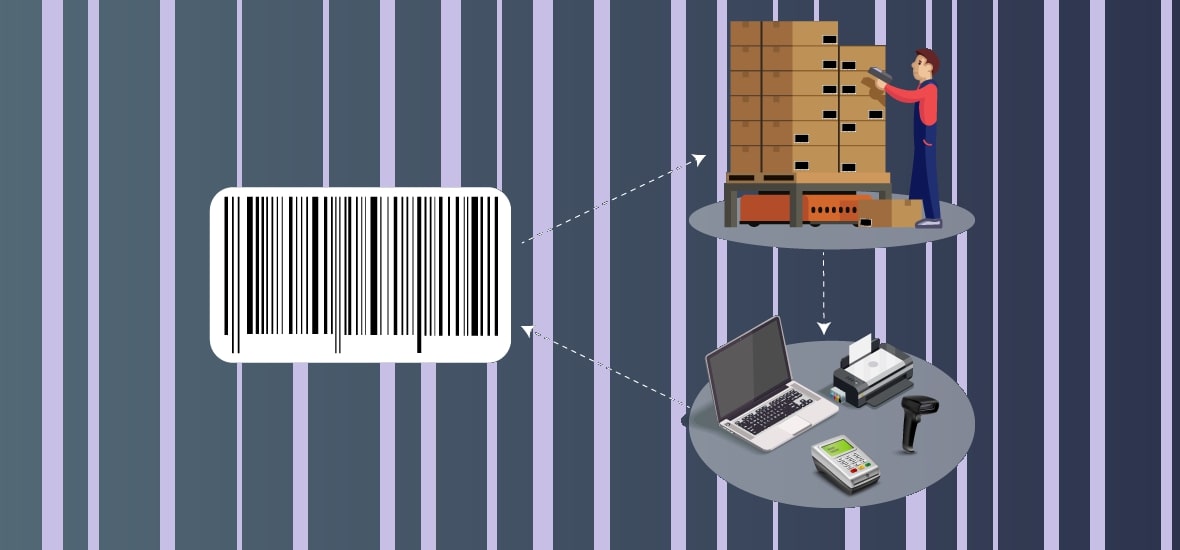
    The barcode label typically contains a series of vertical bars and spaces of varying widths that represent a specific code, which is associated with a particular asset. When the barcode is scanned, the code is read by the scanner and decoded into information about the asset, which can then be recorded in a software system.

    Barcode asset tracking can be used to track various types of assets in different industries. Following are some examples of assets that can be tracked using barcode technology.

    Inventory items

    Barcode technology It enables businesses to accurately monitor their stock levels, allowing them to adjust orders and restock as needed. By utilizing barcode technology, companies can easily track inventory items such as raw materials, finished products, and supplies in order to remain organized and efficient.

    Fixed assets

    Using barcode systems, businesses can easily track fixed assets such as machinery, equipment, and vehicles. This enables them to monitor maintenance schedules, track usage, and manage inventory more efficiently.

    Documents

    Barcode technology can be used to track the status and location of contracts, invoices, and other legal documents. This allows organizations to keep track of these documents without having to manually search through filing cabinets or storage systems.

    Library books

    Barcode technology provides an effective way to keep track of library books and other materials. It enables libraries to easily monitor circulation, usage and ensure that items are returned timely. Furthermore, the use of barcodes eliminates manual tracking systems which are often time consuming and prone to errors.

    Retail products

    Barcode technology can be used to track products such as clothing, electronics, and groceries, thus allowing retailers to manage inventory levels and monitor sales more effectively. Additionally, barcode technology facilitates faster checkout times, helping to increase customer satisfaction and ensuring a smoother shopping experience for customers.

    By tracking these using barcode asset tracking software, organizations can improve their asset management processes, reduce the risk of loss or theft, and increase efficiency.

    Top 5 Barcode Asset Tracking Software in 2026

    This list of top five barcode asset tracking software providers in 2026 is made by the research team of Tech Turf. We do not claim it to be accurate, the companies in this list can be vary according to time. following are the top 5 Barcode software provider companies in 2026.

    We hope that you have liked our post, please share it on social media websites.

  • RFID Asset Tracking System for Management (2026 Update)

    RFID Asset Tracking System for Management (2026 Update)

    RFID stands for “Radio Frequency Identification”. It is a technology that uses radio waves to identify and track objects that are tagged with RFID tags or labels.

    With RFID asset tracking, businesses can quickly and accurately locate and manage their assets, which can improve operational efficiency and reduce costs. This technology is commonly used in industries such as manufacturing, logistics, healthcare, and retail, where tracking the movement of assets is critical to the business.

    What is RFID asset tracking System?

    RFID asset tracking System is a type of System that is used to manage and track assets that have been tagged with RFID tags or labels. This System is designed to work with RFID readers that can detect the unique identifier of each RFID tag, and then record the location and movement of the asset in a database.

    It keeps track of valuable assets or inventory within a business or organization. RFID asset tracking systems consist of RFID tags, RFID readers, and asset tracking system.

    The RFID tags are affixed to the assets being tracked and contain a unique identifier that can be read by the RFID readers. The RFID readers communicate with the asset tracking system, which logs the location and movement of each tagged asset.

    The RFID asset tracking system typically provides features such as inventory management, real-time asset tracking, location history, and reporting. It can also integrate with other business systems such as ERP (Enterprise Resource Planning) and WMS (Warehouse Management System) to provide a comprehensive solution for asset management.

    RFID asset tracking system flow

    Source: https://tech.co/asset-tracking/

    What are examples of Assets to track by RIFD?

    RFID technology can be used to track a wide range of assets in various industries. Following are Some examples of assets that can be tracked using RFID technology.

    • Inventory items in a warehouse or retail store.
    • Tools and equipment in a construction or manufacturing facility.
    • Medical equipment in a hospital or clinic.
    • IT assets in an office or data center, such as laptops and servers.
    • Vehicles in a fleet management system.
    • Livestock in an agricultural setting.
    • Luggage and cargo in an airport or shipping terminal.
    • Library books and other materials in a library system.
    • Sporting equipment in a gym or sports facility.
    • Waste and recycling bins in a waste management system.

    By using RFID latest technology to track these assets, businesses can improve inventory accuracy, prevent theft and loss, improve the effective use of assets, and improve overall operational efficiency.

    Top 5 RFID Asset Tracking System Providers in 2026

    Following is the list of Top 5 RFID asset tracking systems providers in 2026. this list is created by tech turf researchers. we do not claim it to be accurate.

    If you have liked this post, please share it on social media websites.

  • Fleet Asset Tracking Software for Management in 2026

    Fleet Asset Tracking Software for Management in 2026

    Fleet Asset Tracking Software for Management: Fleet asset management is the process of managing a fleet of vehicles or other assets used in transportation, logistics, or other industries. This process involves various activities such as acquisition, maintenance, repair, replacement, and disposal of fleet assets. Fleet Asset Tracking Software is a very big technology innovation in Business world.

    What is Fleet asset management software?

    Fleet asset management software is a type of software designed to help organizations manage their fleet of vehicles and other assets more efficiently and effectively. This software can help organizations with tasks such as acquisition, maintenance, repair, replacement, and disposal of fleet assets.

    The goal of fleet asset management is to maximize the efficiency and productivity of a fleet, while minimizing costs and risks. This can be achieved by optimizing the use of assets, reducing downtime, improving safety and compliance, and enhancing the overall performance of the fleet.

    Fleet asset management software typically includes a range of features and functionalities that can help organizations track and manage their fleet assets more effectively. There are various functionalities that can performed by fleet asset tracking software such as Vehicle tracking and monitoring, Maintenance and repair scheduling, Driver management, Inventory management, Reporting and analytics etc.

    Source: https://www.informsinc.com/solutions/fleet-and-asset-management-software

    What are the Examples of Fleet assets to track?

    There are various types of fleet assets that organizations may need to track and manage, depending on their specific industry and operational needs. Some of the most common fleet assets that organizations may need to manage are mentioned below.

    Vehicles

    Vehicles are an integral part of transportation and logistics. They can include cars, trucks, vans, buses, and other types of motorized vehicles. These vehicles are used for commuting to work, transporting goods across the state or country, and shipping items around the world.

    Equipment

    Equipment plays an important role in many industries today. Specialized equipment, such as forklifts, cranes, and other types of heavy machinery are essential for the efficient running of construction, mining, and agriculture businesses.

    Trailers

    Trailers are used for the transportation of goods, equipment, or other assets across long distances. From large commercial entities to small businesses and individuals, trailers provide an efficient way to move items from one place to another.

    Containers

    Containers have become an integral part of global trade, with millions of them being used to move goods around the world every year. Shipping containers are the most common type, and are widely used for transporting goods by sea, rail, and truck.

    Tools

    There can be variety of tools such as hand tools such as wrenches and screwdrivers, as well as power tools like drills, saws, and sanders. Additionally, other types of equipment can be employed for specialized tasks, such as jacks for lifting heavy vehicles or welding equipment for metal repairs.

    When managing these fleet assets, organizations need to track various types of data and information, such as the asset’s location, maintenance schedule, usage patterns, and cost of ownership. Fleet asset management software can help organizations track and manage this data more effectively, ensuring that fleet assets are properly maintained, utilized, and replaced as needed to maximize efficiency and productivity.

    Learn more about Top Fleet Asset Tracking Software Providers in 2026


  • IT Asset Tracking Software & Management in 2026

    IT Asset Tracking Software & Management in 2026

    IT Asset Tracking Software: IT asset tracking is the process of monitoring and managing an organization’s IT assets throughout their lifecycle. Everything relevant to deployment, upkeep, upgrades, and disposal is included in this.

    What is IT asset tracking software?

    IT asset tracking software is a specialized tool used to manage and monitor an organization’s IT assets throughout their lifecycle. Its intent is to offer business assistance to firms so that they can improve their productivity, decrease risks, and better manage their IT inventory.

    IT asset tracking software can be used to manage a wide range of IT assets, including hardware devices, software licenses, digital files, and other related components. The software typically provides a centralized database that allows users to track the location, usage, and maintenance history of each asset, as well as information such as warranty details, purchase dates, and depreciation.

    IT asset tracking software can perform Asset discovery. it automatically scans the network to identify new devices and assets and adds them to the asset inventory. It is also providing a centralized database to manage and track all IT assets, including their status, location, and other important details.

    IT asset tracking software can also perform asset monitoring. It allows users to track the movement and usage of assets in real-time, including who has the asset, when it was last used, and when it needs to be replaced or upgraded.

    This software is very helpful in reporting and analytics because it Generates reports and analytics on asset usage, performance, and costs, allowing organizations to make informed decisions about their IT infrastructure. it also Can integrate with other IT systems, such as helpdesk and procurement systems, to provide a complete view of the organization’s IT assets and operations.

    What are the examples of IT Assets for tracking?

    IT assets can include hardware devices such as computers, servers, printers, and mobile devices, as well as software licenses, digital files, and other related components. By keeping track of IT assets, organizations can improve their IT infrastructure, reduce costs, minimize risks, and increase efficiency.

    There are many different types of IT assets that can be tracked using IT asset tracking software. below are some examples of IT assets.

    Hardware Devices

    Hardware devices are essential components of any network. They are physical devices, such as desktop computers, laptops, servers, printers, routers, switches, and mobile devices that enable data to be transferred and accessed.

    Software Licenses

    IT asset tracking software can track software licenses and ensure that the organization is in compliance with licensing agreements. It can also track the usage of software licenses to optimize license utilization and reduce costs.

    Digital Files

    Digital Files means digital documents, images, videos, and other media files that are used in the organization. IT asset tracking software can track the location and usage of these files and ensure that they are secure.

    IT Infrastructure Components

    All components that make up the IT infrastructure, such as cables, connectors, power supplies, and other related equipment comes under IT Infrastructure Components.

    Cloud Assets

    IT asset tracking software can track cloud assets i.e. virtual machines, storage, and other cloud-based resources.

    IT asset tracking software can help organizations keep track of all their IT assets, including both physical and digital assets, ensuring that they are utilized effectively, are compliant with regulations and licenses, and are secure.

    Also Check….

    Know about top 5 IT Asset Tracking Software Companies in 2026


  • Fixed Asset Tracking Software | Fix Asset Example in 2026

    Fixed Asset Tracking Software | Fix Asset Example in 2026

    Fixed Asset Tracking Software: Fixed asset tracking is the process of monitoring and managing the physical assets that are owned by a company or organization. These assets are typically long-term investments, such as buildings, equipment, machinery, and vehicles that are used in day-to-day business operations.

    Fixed asset tracking allows organizations to keep track of their assets’ locations, maintenance schedules, depreciation, and other important information. By doing so, businesses can ensure that their assets are being used effectively, reduce the risk of theft or loss, and make informed decisions about asset maintenance and replacement.

    What is Fixed asset tracking software?

    Fixed asset tracking software is a type of software that is used to monitor and manage fixed assets owned by an organization. This software helps organizations track and maintain their assets, providing a centralized database of asset information that can be accessed by authorized personnel.

    Fixed asset tracking software typically includes features such as:

    Asset inventory management

    By utilizing this type of management system, organizations can easily keep track of the location, condition, purchase date, and maintenance history of all their fixed assets. This provides them with an accurate picture of the overall value of their assets and allows them to better manage their resources and maintain a healthy financial status.

    Depreciation calculation

    This makes it easier for businesses to accurately report financial data, eliminating manual calculations and reducing the risk of errors. The software also simplifies the process of filing taxes, ensuring that all related information is up-to-date and accurate.

    Maintenance scheduling

    It can schedule maintenance tasks and track maintenance history, allowing users to stay organized and informed about their asset maintenance needs. Additionally, it can send alerts when maintenance is due, so users can ensure their assets are always running smoothly and efficiently.

    Reporting

    It can generate reports on asset utilization, maintenance costs, and other key metrics that can help businesses make informed decisions.

    Organizations can choose to deploy fixed asset tracking software either on-premises or in the cloud, based on their specific requirements and preferences. Some software may also include mobile apps or other features that allow users to track assets remotely.

    Source: https://www.ibm.com/topics/fixed-asset-management

    What are the examples of fixed assets owned by an organization?

    Fixed assets are vital long-term investments for organizations, as they are utilized to generate revenue and support daily operations. Here are some examples of fixed assets that an organization might own.

    Buildings: It consists of offices, factories, warehouses, and any other structures that the organization owns.

    Equipment: It consists of machinery, tools, and other equipment used in manufacturing, construction, or other operations.

    Vehicles: It consists of company-owned cars, trucks, and other vehicles used for transportation or delivery.

    Furniture and fixtures: It consists of desks, chairs, shelves, and other items used in offices or other workspaces.

    Computer hardware: It consists of servers, workstations, laptops, and other computer equipment used by the organization.

    Land: It consists of any land that the organization owns, whether it is being used for operations or held for future development.

    Intellectual property: It consists of patents, trademarks, copyrights, and other intangible assets that the organization owns.

    Infrastructure: It consists of roads, bridges, and other public works that are owned by the organization.

    These are just a few examples of the fixed assets that an organization might own. Fixed assets can vary widely depending on the industry and nature of the business.

    Top 5 Fixed Asset Tracking Software in 2026

    Following are the top five fixed asset tracking software in 2026. this list is made by the research team of Tech – Turf. But we do not claim it to be accurate. ranking may vary with time.

    If you have liked the information in this post, then please share it with your friends on social media websites.

  • Military Asset Tracking Software in 2026

    Military Asset Tracking Software in 2026

    Military Asset Tracking SoftwareΒ in 2026: Military asset tracking is the process of monitoring and managing military assets, which can include equipment, vehicles, weapons, and personnel. It involves using various technologies and systems to collect, process, and analyze data related to the location, status, and movements of military assets.

    The goal of military asset tracking is to improve operational efficiency, situational awareness, and overall effectiveness of military operations. By tracking military assets, military commanders can make better decisions, optimize resource allocation, and enhance the safety and security of military personnel.

    There are various technologies used in military asset tracking, including GPS, RFID, barcoding, and satellite communications. These technologies are often integrated with military command and control systems, such as situational awareness software and logistics management platforms, to provide a comprehensive view of the military assets in real-time.

    Source: https://en.wikipedia.org/wiki/Military_asset

    What is military asset tracking software?

    Military asset tracking software is a specialized software application designed to help military organizations manage and track their assets. It is a type of enterprise resource planning (ERP) software that is tailored to meet the specific needs of military operations.

    Military asset tracking software typically includes features such as real-time tracking and monitoring of assets, inventory management, maintenance and repair tracking, and logistics management. It also provides a centralized database of all military assets and allows for the efficient allocation and deployment of resources.

    This software can be used for a wide range of military assets, including vehicles, weapons, equipment, and personnel. It can integrate with other military systems and platforms, such as command and control systems, situational awareness software, and logistics management platforms, to provide a comprehensive view of military assets in real-time.

    Some military asset tracking software may also include advanced features such as predictive maintenance, automated workflows, and analytics and reporting tools, which can help military organizations optimize their operations and improve decision-making processes.

    What are the uses of Military Base Asset Tracking software?

    Military Base Asset Tracking software has many uses, including:

    Asset Tracking

    Military Asset Tracking software providing comprehensive tracking and management of all types of assets. It allows users to create a centralized database where all asset information can be recorded, including details about vehicles, weapons, equipment and personnel. With this level of visibility into every asset, military personnel can easily locate and access information quickly when needed, ensuring a high level of operational efficiency.

    Inventory Management

    Military bases often have to manage a large amount of inventory, and this can be time-consuming and complex. With the correct software, they can easily monitor their usage rates and optimize their procurement and restocking processes when needed. This software helps military bases to stay on top of their inventory levels, allowing them to ensure they have the resources they need when they need them.

    Maintenance and Repair

    The software is designed to provide an efficient and streamlined approach to asset maintenance. It can track the repair and maintenance history of assets, allowing users to keep an eye on their performance over time. Additionally, it can schedule maintenance tasks, helping users stay on top of servicing and repairs, as well as automate maintenance workflows to reduce downtime and extend the lifespan of assets.

    Security and Accountability

    The use of software to track the movement of assets is invaluable. It provides enhanced security and accountability by enabling military to monitor their assets, ensuring they are used for their intended purposes. With such a system in place, military can rest assured that all assets are being used as intended, and any suspicious or unauthorized activities can be detected quickly.

    Resource Allocation

    It can provide real-time data on asset availability and usage, allowing for more efficient allocation of personnel and equipment. This will enable bases to maximize their utilization of available resources, ensuring that they are efficiently employed in order to meet mission objectives.

    Overall, Military Base Asset Tracking software can help military bases improve operational efficiency, reduce costs, increase asset lifespan, and enhance security and accountability.

    Top 5 Military Asset Tracking Software in 2026

    Following are the top five military asset tracking software providers. This ranking is created by Tech Turf research team. we do not claim it to be accurate.

    We hope that you have liked this post and will share it on social media websites.

Advertisement