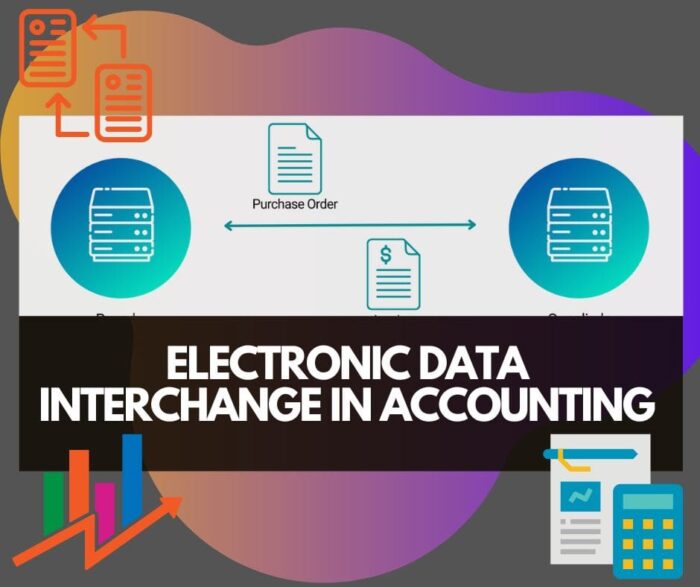
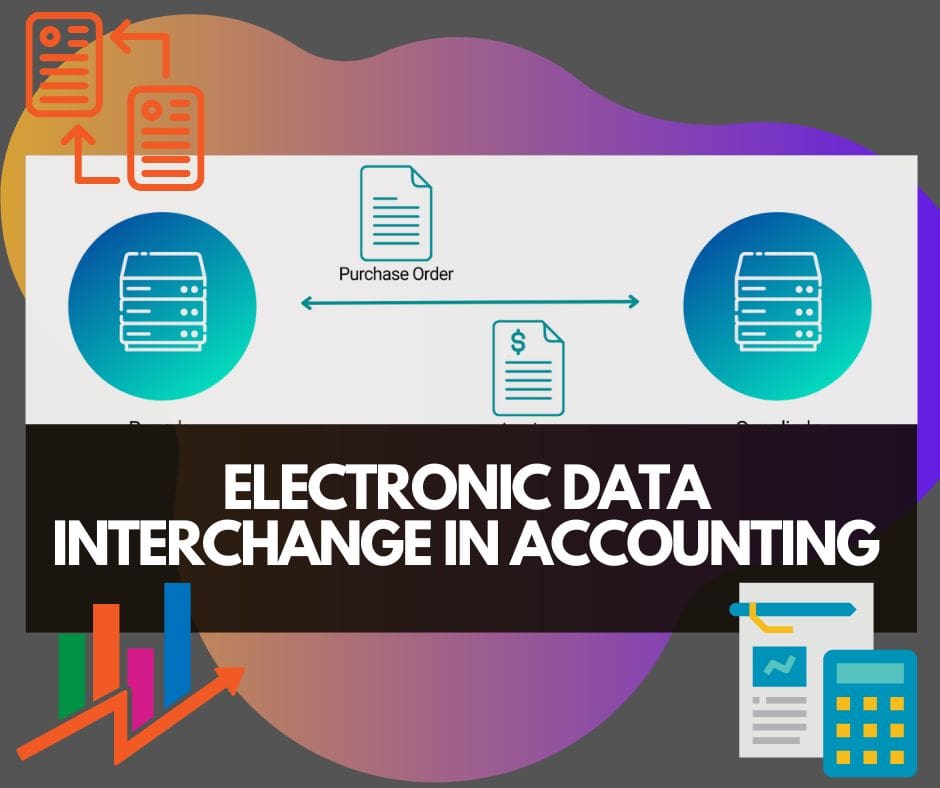
Electronic Data Interchange in Accounting: EDI has revolutionized the accounting sector by automating processes, improving accuracy, and enhancing collaboration between businesses. As technology continues to advance, EDI Technology is likely to play an even more crucial role in the future of accounting and financial management.
Electronic Data Interchange (EDI) plays a significant role in the accounting sector, facilitating the exchange of financial and business-related information between different entities electronically. EDI has been widely adopted in accounting and financial management due to its efficiency, accuracy, and cost-effectiveness.
EDI Technology in Accounting Sector
below are some key aspects of EDI in the accounting sector.
Automated Transactions
EDI enables the automation of various financial transactions, such as invoices, purchase orders, sales orders, and payments. This automation reduces manual data entry errors, speeds up the processing time, and enhances overall efficiency in financial operations.
Streamlined Processes
With EDI, accounting processes can be streamlined by eliminating the need for paper-based documents and manual handling of data. This leads to faster document exchange and improves the collaboration between trading partners.
Cost Savings
Adopting EDI can lead to significant cost savings for businesses. By eliminating the need for paper, printing, and postage, companies can reduce administrative expenses and free up resources for more value-added tasks.
Increased Accuracy
EDI eliminates the need for rekeying data, reducing the likelihood of data entry errors. This increased accuracy helps in avoiding discrepancies and improves overall data quality.
Faster Payments
EDI expedites the invoicing and payment processes, resulting in faster and more efficient cash flow management. Businesses can receive payments more promptly and reduce the time spent on chasing overdue payments.
Enhanced Security
EDI systems use encryption and secure communication protocols to protect sensitive financial information during transmission. This defines that financial data is secured and confidential using EDI Technology.
Integration with Accounting Software
Many modern software solutions are EDI-compatible, allowing for seamless integration of EDI data into the accounting system. This integration further streamlines accounting processes and enhances data synchronization.
Compliance and Standardization
EDI follows standardized formats and protocols, ensuring uniformity and compliance with industry standards and regulations. This consistency simplifies the exchange of financial information between trading partners.
Real-time Visibility
EDI provides real-time visibility into financial transactions, allowing businesses to track the status of invoices, payments, and orders at any given time. This transparency helps in making informed financial decisions.
Global Reach
EDI enables businesses to connect with trading partners across the globe, making international transactions more efficient and reducing the barriers to global business operations.
What are the examples of electronic data in accounting to interchange Using EDI?
In the accounting sector, there are several examples of electronic data interchange (EDI) that are commonly used to facilitate the exchange of financial information between different entities. Here are some typical examples:
Electronic Invoicing (e-Invoice)
EDI allows businesses to send and receive electronic invoices directly between trading partners. This includes details such as invoice number, date, line items, quantities, prices, taxes, and payment terms. E-invoicing streamlines the accounts payable and receivable processes, reducing processing time and costs.
Purchase Orders (PO)
Businesses can send purchase orders electronically using EDI. The PO includes information such as the buyer’s details, supplier’s details, item descriptions, quantities, prices, and delivery instructions. EDI-enabled purchase orders improve order accuracy and speed up order processing.
Remittance Advice
When a business makes a payment, the remittance advice contains details of the payment, such as the invoice number and amount paid. EDI facilitates the electronic exchange of remittance advice, making it easier for suppliers to reconcile payments.
Payment Confirmation
EDI can be used to send payment confirmation to trading partners. This confirmation verifies that a payment has been made and provides relevant payment details for reconciliation.
Financial Statements
Companies can use EDI to exchange financial statements, such as income statements, balance sheets, and cash flow statements. This allows for efficient sharing of financial information with stakeholders like investors, regulators, and business partners.
Bank Statements
EDI can be utilized to transmit electronic bank statements, which provide details of transactions, balances, and other account-related information. This electronic exchange helps businesses reconcile their accounts more efficiently.
Goods Receipts
When goods are received, businesses can use EDI to transmit electronic goods receipts, which detail the items received, quantities, and condition. This information aids in accurate inventory management and accounts payable processes.
Shipping Notices
EDI can be employed to send electronic shipping notices, providing information on the contents of a shipment, shipment date, carrier details, and tracking information. This helps streamline logistics and accounts receivable processes.
Tax Reporting
EDI facilitates the electronic submission of tax-related information, such as VAT (Value-Added Tax) returns and other tax reports, to tax authorities. This streamlines tax compliance processes.
Credit and Debit Notes
EDI enables the exchange of credit and debit notes, which are used to adjust invoice amounts due to returns, discounts, or other adjustments. This ensures accurate accounting and reconciliation.
These are just a few examples of how EDI is utilized in the accounting sector to interchange electronic data. The adoption of EDI in accounting processes offers numerous benefits, including increased efficiency, accuracy, and cost savings.
Top 5 EDI Software Companies in Accounting Sector in 2026
These are the Top 5 EDI Software Companies in Accounting Sector in 2026, this list is made by the research team of Tech Turf. We have tried everything to make it accurate but do not claim it to be 100% accurate.
If you have like this post EDI Software in accounting the please share it with your friends on social media website.